
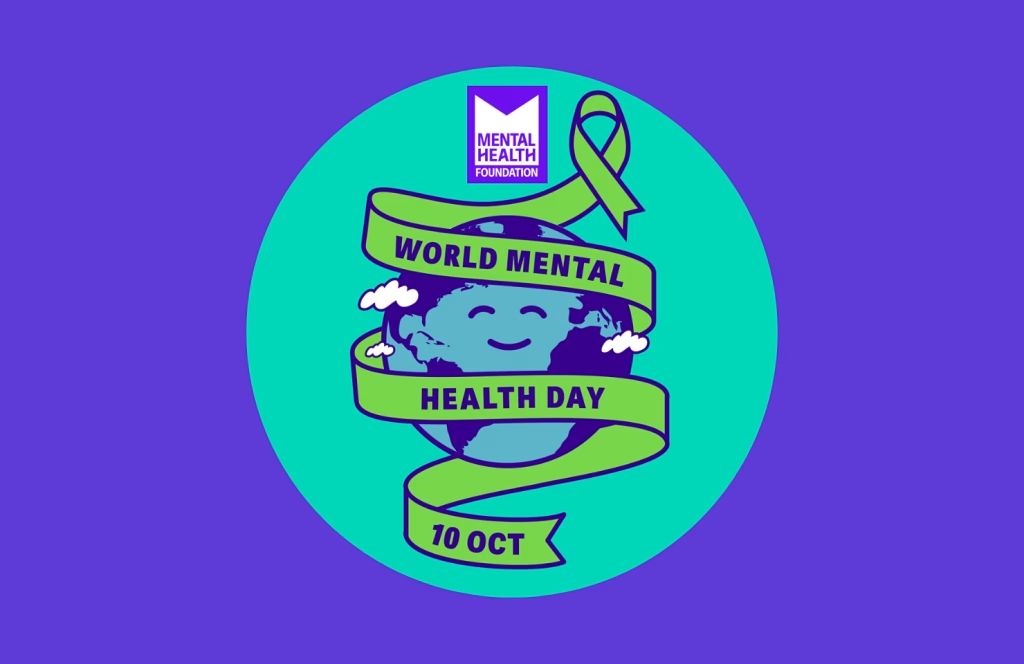
In a world that’s increasingly connected yet often isolating, mental health remains one of the most overlooked aspects of human wellbeing. This reminds us that mental health isn’t a luxury—it’s a right. Whether in the boardroom, the classroom, or the home office, everyone deserves access to mental health support, free from stigma and barriers.
Why recognising mental health as a Right Changes Everything
Mental health is foundational to how we live, work, and connect with others. When it’s treated as optional or secondary, the consequences ripple across society—impacting relationships, productivity, and overall quality of life. Recognising mental health as a human right means acknowledging that every individual, regardless of role or background, deserves care, compassion, and access to support.
The numbers are sobering: globally, one in eight people live with a mental health condition, yet many lack access to treatment due to cost, stigma, or systemic neglect. But this isn’t just about statistics—it’s about dignity. It’s about ensuring that mental health support is not a privilege for the few, but a standard for all.
Turning awareness into action: Building supportive cultures
In 2025, the conversation has shifted from awareness to action. At Atomise, we believe that mental health should be embedded into every policy, every interaction, and every decision. It’s not just about checking a box—it’s about creating a culture where mental health is protected, promoted, and prioritised.
Here are some ways we, and other organisations, can champion mental health as a human right:
- Normalising mental health conversations: Move beyond awareness campaigns to embed mental health into everyday dialogue. From onboarding to performance reviews, mental wellbeing should be part of the conversation.
- Equitable access to support: Ensure that mental health resources are accessible to all employees, regardless of location, role, or background. This includes multilingual resources, culturally sensitive support, and inclusive policies.
- Embedding mental health into policy: Mental health shouldn’t be an afterthought. Review company policies to ensure they reflect a commitment to psychological safety, anti-discrimination, and proactive support.
- Empowering peer support networks: Encourage peer-led initiatives where employees can support one another. These networks foster trust, reduce isolation, and build resilience across teams.
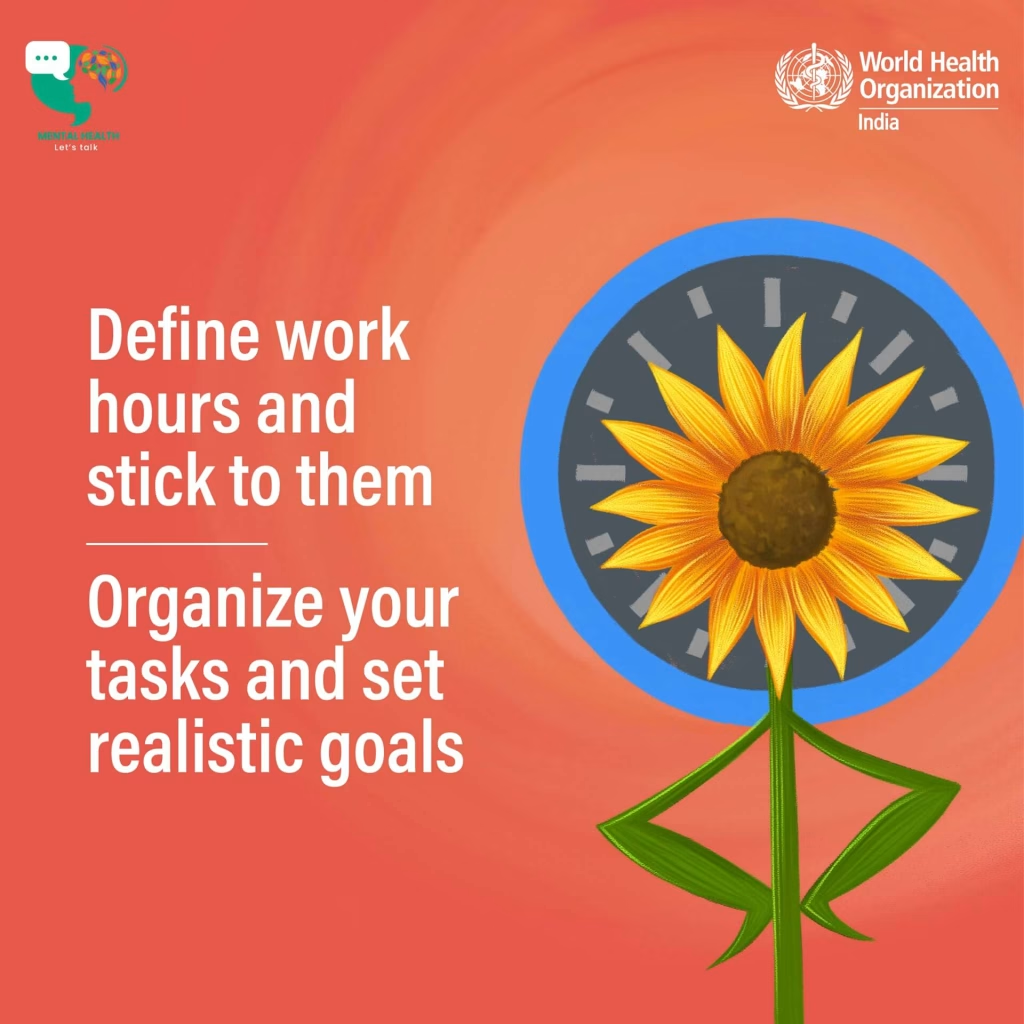
How Atomise is championing mental health every day
At Atomise, we’re committed to making mental health a lived value—not just a statement. As we grow we’re introducing:
- Inclusive design thinking: Accessibility and inclusive design principles to our workflows, ensuring that everyone—regardless of neurodiversity or mental health status—can contribute meaningfully.
- Mental health champions: Peer-nominated mental health champions across teams who act as trusted points of contact and advocates for wellbeing.
- Proactive wellbeing audits: Quarterly wellbeing audits to help us identify stressors, celebrate successes, and adapt our practices to better support our people.
- Safe spaces for reflection: Virtual and physical spaces for quiet reflection, decompression, and mindfulness—because sometimes, the best support is simply space to breathe.
Looking forward: Making mental health non-negotiable
As we mark World Mental Health Day 2025, we reaffirm our belief that mental health is not a benefit—it’s a baseline. By embedding mental health into the DNA of our organisations, we build cultures of care, resilience, and trust.
At Atomise, we’ll continue to advocate for mental health as a universal right—within our teams, our partnerships, and our broader community. Because when we honour mental health, we honour humanity.
Closing thought: When we honour mental health, we honour humanity
Mental health isn’t just personal—it’s collective. Let’s build workplaces where everyone feels seen, heard, and supported. Because when we protect mental health, we protect potential.


